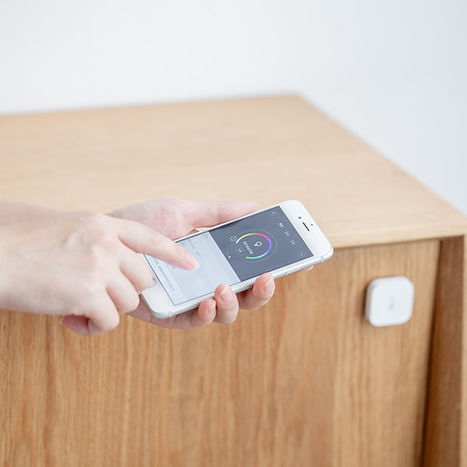
Accessible Smart Homes
Smart home technology can make everyday life easier, safer and more manageable at home. For disabled people, carers, families and professionals supporting independent living, the right setup can reduce effort, improve comfort and support greater control over daily routines.
At CareFree Smart Homes, we focus on practical smart home technology that can help make homes more accessible, responsive and easier to live in. That can include easier lighting control, voice control, smart heating, smart access, helpful alerts and everyday automation that removes barriers around the home.
Whether you are exploring options for your own home, helping a family member, supporting a tenant, or planning for a larger-scale housing or care setting, we can help you identify smart technology that fits the person, the property and the goal.
Needs First, Products Second
There is no single definition of an accessible smart home. The right setup depends on the person and the barriers they face day to day.
That may include mobility challenges, limited dexterity, visual impairment, hearing loss, fatigue, chronic pain, cognitive impairment, sensory sensitivities, or the need for greater reassurance and support at home. In many cases, the best results come from combining simple, reliable smart devices in a way that reduces effort, improves safety and supports greater independence.
Who This Is For
Accessible smart home technology can be relevant for:
-
Disabled people
-
Carers
-
Family members supporting a relative
-
Occupational Therapists
-
Councils and Adult Social Care teams
-
Housing Associations
-
Supported Living Providers
-
Landlords applying for adaptations on behalf of a disabled tenant
-
NHS and community teams
-
Property and housing professionals planning more accessible homes
This can apply across owner-occupied homes, rented homes, adapted housing, supported living settings and wider independent living projects.

Funding And Professional Support
In some cases, home adaptations may be supported through a Disabled Facilities Grant (DFG). This is a local council grant that can help eligible disabled people make changes to their home so it is easier and safer to live there. Depending on the situation, this can include work to improve access, adapt facilities, or make heating and lighting controls easier to use.Occupational therapists play a very important role. A home assessment can help identify the barriers someone faces in daily life and what changes, equipment or adaptations may be most helpful.If you are exploring smart home technology as part of a wider accessibility plan, it can be useful to consider it alongside any occupational therapy recommendations, adaptation plans or funding routes that may apply.Please note that funding decisions, eligibility and local processes vary by council, so always check the latest official guidance before starting works.
References
Disabled Facilities Grants overview
Disabled Facilities Grants eligibility
Disabled Facilities Grants: What you’ll get
Apply for a Disabled Facilities Grant
Disabled Facilities Grant delivery guidance for local authorities in England
Based in England, we're able to cater for anyone within the United Kingdom. However, please note that DFG guidance is different country to country.


Accessible Smart Entrance & Hallway
The entrance and hallway set the tone for how easy a home is to use. Smart technology in these areas can support safer access, easier arrivals and departures, and greater day-to-day reassurance for disabled people, carers and families.
Smart doorbells
A smart doorbell can make it easier to see who is at the door, speak to them before opening it, and answer safely from elsewhere in the home. This can be especially helpful where mobility, fatigue, confidence or safety are concerns.
Smart locks
Smart locks can make everyday access simpler by reducing reliance on physical keys and making it easier to lock or unlock the door when needed. Depending on the product and setup, they may also support features such as app control, temporary access for trusted people, or hands-free entry where supported and configured securely.
Smart entrance lighting
Smart lighting can help make entrances, paths and hallways safer to use, especially in low light. Lighting can be triggered by movement, a door opening, time of day, or whether it is dark outside, helping reduce the need to reach for switches at key moments.
Smart hallway lighting and controls
Inside the hallway, smart lighting can improve visibility and make movement through the home easier. Adjustable brightness and colour temperature can also help suit different visual and sensory needs.
Smart heating control
If the thermostat is in the hallway or another awkward spot, smart heating controls can make temperature changes easier through an app, voice control or automation. This can reduce effort and make the home more comfortable without relying on hard-to-reach wall controls.
Smart speakers and simple controls
A smart speaker or a well-placed smart button can provide quick access to common actions such as turning lights on, adjusting the heating, or checking devices around the home. For many people, simple controls are one of the most useful parts of an accessible smart home setup.
Specialist automatic door systems
In some homes, specialist automatic door systems may also be appropriate. These are not standard smart home products and usually require a more specialist accessibility-led approach, but they can be valuable where easier independent access is a priority.
Taken together, these technologies can help make the entrance and hallway feel safer, easier and more supportive of independent living from the moment someone arrives home.

Accessible Smart Living Room
The living room is often where people spend the most time, so it is one of the most valuable spaces to make easier to control and more comfortable to use. Smart technology here can reduce effort, improve comfort and help people stay in control of their environment without needing to constantly reach, move or ask for help.
Smart lighting
Smart lighting can make it easier to adjust brightness and colour temperature to suit different times of day, comfort preferences and visual needs. Lights can be controlled by voice, app, remote or smart button, and can also be automated to come on gradually, turn off at set times, or respond to daily routines.
Voice control
Voice assistants can be particularly helpful in the living room because they allow lights, heating, blinds, plugs and entertainment devices to be controlled without using physical switches or remotes. They can also help with reminders, calls and everyday convenience.
Smart heating
Smart thermostatic radiator valves and smart heating controls can help keep the room at a comfortable temperature with less physical effort. This can be especially helpful for people who are sensitive to temperature changes or who find standard controls awkward to reach or adjust.
Motorised blinds and curtains
Motorised blinds or curtains can make natural light and privacy much easier to manage. This can be particularly useful where reaching cords or manually opening and closing window coverings is difficult.
Smart TVs and entertainment
Smart TVs with voice control and accessibility features can make entertainment easier to manage independently. Depending on the model, this may include voice search, easier menu navigation, larger text, screen-reader features or better integration with other smart home devices.
Smart plugs and accessible power control
Smart plugs can make lamps, fans and other plug-in devices easier to use by removing the need to reach inaccessible sockets and switches. They can also help with energy control by allowing devices to be switched off remotely or on a schedule.
Smart buttons and remotes
Not every accessible setup should rely on apps or voice. Smart buttons and simple remotes can often be one of the easiest and most reliable ways to control lights, plugs, scenes and other common functions from a chair, sofa or wheelchair.
A well-designed smart living room can support more independent relaxation, greater comfort and easier control over the home environment.

Accessible Smart Kitchen
The kitchen can be one of the most demanding areas of the home, especially where reaching, lifting, remembering, seeing or moving safely are all part of daily life. Smart technology can help reduce effort, improve safety and make everyday routines easier to manage.
Smart plugs and switches
Smart plugs and switches can make certain kitchen appliances easier to control without having to reach awkward sockets or switches. This can be useful for lamps, coffee machines and other suitable plug-in devices where remote or timed control makes life easier.
Smart lighting
Good lighting is essential in the kitchen. Smart lighting can improve visibility for cooking and daily tasks, while motion-triggered lighting can reduce the need to search for switches. In some setups, smart lighting can also be used to provide visual alerts alongside other alarms and notifications.
Appliance safety features
Where safety or memory are concerns, connected appliance monitoring and shut-off features can be especially valuable. The priority here is not flashy remote control, but reducing risk if something is left on unintentionally and giving people greater reassurance in day-to-day use.
Leak detection and smart shut-off
Flood sensors and smart shut-off devices can help reduce the impact of leaks by detecting water quickly and, in some systems, automatically isolating the supply. This can be especially useful where responding quickly to a leak may be difficult.
Robotic vacuum cleaners
Robotic vacuum cleaners can help reduce the physical effort involved in keeping floors clean. While they are not kitchen-specific, they can be useful in open-plan homes or where bending, lifting and pushing a vacuum is difficult.
Smart sensors
Sensors can play an important role in a safer kitchen setup. Depending on the system, this may include flood detection, motion-based automation, smoke alerts, carbon monoxide alerts and app notifications that make issues easier to spot quickly.
Assistive-tech adjustable work surfaces
In some kitchens, specialist accessible features such as adjustable-height worktops may also be appropriate. These are usually part of a wider accessible kitchen design rather than a typical off-the-shelf smart home purchase, but they can make a major difference in the right setting.
An accessible smart kitchen should focus on practical outcomes: reducing effort, improving safety and making daily routines easier to manage with confidence.

Smart Accessible Bathroom & WC
Bathrooms are one of the most important areas to get right when accessibility, comfort and safety are a priority. Smart technology can help make bathrooms easier to use, but it often works best when combined with good layout decisions and, where needed, specialist accessible fittings.
Smart toilets
Some smart toilets can offer features such as automatic flushing, bidet functions, night lighting and easier-to-use controls. In the right setting, these features may support comfort, hygiene and reduced physical effort.
Touchless taps
Touchless taps can make handwashing and general bathroom use easier where dexterity, grip or strength are limited. They can also improve hygiene and reduce the need to operate fiddly controls.
Smart showers
Smart showers can make it easier to prepare the shower before entering, set preferred temperatures and reduce the risk of sudden temperature changes. This can be particularly valuable where comfort, routine and safety matter.
Smart lighting
Motion-triggered or easily controlled smart lighting can make bathrooms safer to use, especially at night or when quick access is needed. Adjustable brightness can also help where visual comfort is important.
Smart heating
Smart heating, including smart radiator controls or underfloor heating controls, can help keep the bathroom warm and comfortable without relying on hard-to-reach manual adjustments.
Specialist accessible adaptations
In some bathrooms, more specialist accessible features may be appropriate. This can include adjustable-height basins, accessible bathing equipment or other project-level adaptations designed around the person’s needs. These are usually part of a wider accessible bathroom plan rather than a simple plug-and-play smart home upgrade.
An accessible smart bathroom should focus on dignity, comfort, safety and ease of use, while recognising that the best outcomes often come from combining smart controls with thoughtful accessible design.

Accessible Smart Bedroom
The bedroom should be one of the easiest places in the home to control. Smart technology here can support comfort, reassurance, sleep routines and easier access to key functions without needing to get up or reach awkward controls.
Smart lighting
Smart bedroom lighting can support easier night-time movement, calmer evening routines and simple control from bed, wheelchair or chair. This might include voice control, app control, smart buttons or motion-triggered night lighting.
Smart plugs and bedside control
Smart plugs can make bedside lamps, chargers, fans and other everyday devices easier to control without needing to reach behind furniture or use awkward switches. This can be a small change that makes a big difference.
Smart TVs and bedroom devices
A smart TV can make entertainment, voice control and connected home features easier to access from bed. Depending on the device, useful features may include voice search, larger text, improved navigation and better integration with the wider smart home setup.
Sleep sensing and routine automation
Under-mattress sleep sensors and related devices can support sleep tracking and routine-based automation, such as changing lighting, heating or other settings when someone gets into or out of bed. These products can be useful for comfort and routine, but they should not be treated as a replacement for medical or emergency monitoring.
Motion and presence sensing
Motion and presence sensors can help trigger lighting, support night-time routines and provide activity awareness in the bedroom. This can be helpful where reassurance, easier movement or routine-based automation is a priority.
Alerts and reassurance
In some setups, bedroom automation can be linked to alerts for trusted family members or carers. This should be approached carefully and proportionately, with privacy and consent in mind, but it can be useful in the right circumstances.
Ensuite integration
Where there is an ensuite, smart lighting, heating and shower controls can also help make night-time bathroom use easier and more comfortable.
An accessible smart bedroom should prioritise calm, control, comfort and reassurance, with simple technology that supports the person rather than overwhelming them.

Accessible Smart Back Garden
Outdoor spaces can also benefit from smart technology, especially where easier access, better visibility and improved reassurance make the garden more usable and enjoyable.
Smart lighting
Smart lighting can improve visibility on paths, entrances and seating areas, helping make the garden safer to use in low light. Motion-triggered or scheduled lighting can also reduce the need to manually switch lights on and off.
CCTV and security lighting
Connected cameras and security lighting can provide added reassurance around the garden, gates and rear access points. This can be particularly helpful where someone may find it difficult to respond quickly to unexpected activity.
Smart sensors
Outdoor sensors can support lighting automation, security notifications and awareness of movement around the property. In the right setup, these can help make the garden feel easier to monitor and manage.
Smart locks and gate access
Where suitable products are available, smart locks or connected access control on gates and outdoor access points can reduce reliance on physical keys and make access easier for trusted people.
A smart back garden does not need to be complicated. In many cases, a few carefully chosen devices can make outdoor spaces safer, easier to access and more enjoyable to use.