Reducing Energy Waste in Your Business: Smart Solutions for Everyday Efficiency

Updated: Aug 8
What this guide helps you do
Spot everyday energy waste (standby loads, heating/ventilation timing, lighting left on).
Choose simple monitoring and controls that staff can actually follow.
Set up schedules and alerts with a clear owner and a fallback when Wi‑Fi or apps fail.
Understanding Energy Waste
Energy waste can significantly impact your operational costs. It is essential to identify the sources of this waste to implement effective solutions. By understanding where energy is being consumed unnecessarily, you can take steps to reduce it.
Before buying anything, walk through the premises at opening time, during a normal busy period, and after closing. Look for controllable patterns: plug-in equipment that stays on, lights in empty rooms, chargers left live, small heaters, fans, or dehumidifiers that suggest a room is too cold, too warm, or too damp, and shared areas where responsibility changes between staff, cleaners, or tenants.
That first pass should lead to a short list of candidates. Some will need behaviour changes, some may need maintenance, and some are good candidates for smart plugs, sensors, or lighting routines. The point is to solve repeatable problems, not to automate every socket in the building.
Use Smart Plugs as Measurement Tools
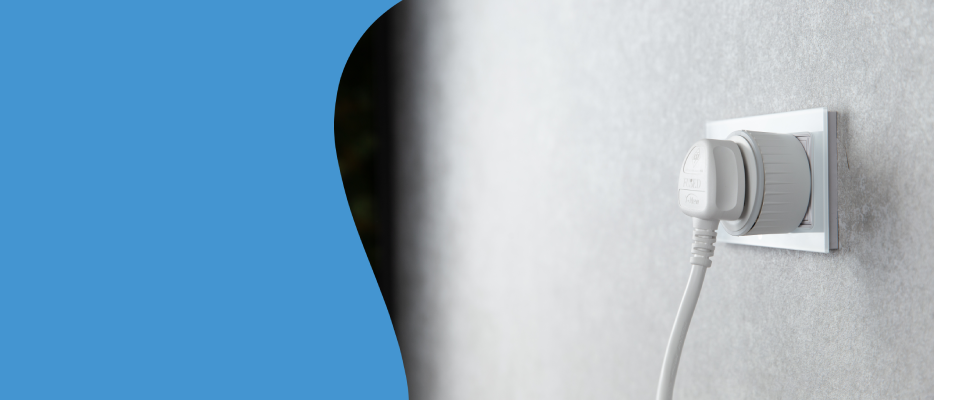
A smart plug with power monitoring can show whether a connected device is using meaningful power when staff assume it is off. It can also schedule suitable non-critical equipment around opening hours. That makes it useful for display lighting, demonstration equipment, lamps, chargers, small fans, or non-essential peripherals.
The important word is suitable.
Check the plug rating, device instructions, and how the equipment is used. Avoid automating equipment that must remain on, supports payment or network systems, stores data, affects refrigeration, or would cause problems if it switched unexpectedly.
Harnessing Occupancy and Light Data
Motion, presence, contact, and light sensors work best when they are placed around real movement rather than ideal floorplans. A sensor in a stockroom has a different job from a sensor in a meeting room. A door sensor may be useful for a store cupboard, while a light sensor may help decide whether a room really needs artificial lighting during the day.

In public or customer-facing areas, keep manual overrides and accessibility in mind. Staff and visitors should not be left fighting an automation that switches too quickly, hides the controls, or assumes everyone moves through a room in the same way.
Local Control vs. Central Control
Local control is useful where a room or small site needs to respond quickly and predictably. A local hub, local automation, or room-level routine can keep everyday actions simple, even when cloud services or broadband are not the main point of the setup.
Central control becomes more important when more than one building, shared area, team, or managed environment is involved. A landlord, housing provider, facilities manager, or multi-site business may need a clearer overview of schedules, access, device naming, permissions, and exceptions.
In that context, the question is not only which device works, but whether the setup can be understood and reviewed by the people responsible for the space.
A Sensible First-Month Plan
A good small-business trial should be narrow enough to manage. Choose two or three controllable areas, such as display lighting, staff-room appliances, or shared-area lights. Check device ratings, Wi-Fi or hub coverage, user permissions, and who will be responsible for changes.

Run equipment normally for a short baseline period where monitoring is available, then add schedules, reminders, or sensor-based routines only where they make daily work easier. Review exceptions such as cleaning hours, late openings, deliveries, maintenance visits, and seasonal changes. Document the final routine so staff know what is automated, what remains manual, and who can override it.
What to Buy First
For most small sites, the first useful purchases are not the most complex. Start with smart plugs that include power monitoring where the connected load is suitable, a few well-placed motion or contact sensors, and smart lighting controls for areas where manual switching is inconsistent.
Where This Helps Most
Smart energy controls are most useful where the same waste happens repeatedly. Shops often find value in display lighting and demonstration equipment. Offices and clinics may focus on meeting rooms, small appliances, and shared spaces. Workshops, community venues, and supported living settings may need a more careful mix of manual control, staff visibility, accessibility, and central oversight.
The common thread is not automation for its own sake. It is clearer control: what is on, when it should be on, who can change it, and what happens when routines change.
Conclusion: Embracing Smart Technology for Sustainable Practices
By adopting smart technology, you can significantly reduce energy waste in your business. The goal is not just to automate but to create a system that enhances efficiency and accountability. With the right tools and strategies, you can foster a culture of sustainability while ensuring your operations run smoothly.
CareFree Smart Homes supplies smart home and business smart technology products for UK customers. It does not install, monitor, provide care services, or run a responder service, but it can help you compare suitable smart plugs, sensors, lighting controls, hubs, and related devices for your specific requirements. An installer referral may be possible on request.


Comments