
Smart Technology in Care Homes: Sensors, Lighting and Everyday Workflows

Updated: Aug 8
Care homes do not need novelty technology for the sake of it. The useful question is where mainstream smart devices can reduce friction for residents and staff without removing carefully considered supervision or professional judgement.

Start with low-risk workflow improvements
The strongest starting points are usually simple: lighting, temperature visibility, occupancy-aware routines, plug control and sensors used for appropriate, non-critical notifications. These can support comfort and operational awareness without creating clinical or safeguarding issues.
Motion-based lighting for corridors, bathrooms or staff areas.
Temperature, humidity or air-quality sensors for better environmental awareness.
Smart plugs for non-critical equipment, lamps or scheduled devices.
Lighting scenes that make shared spaces easier to adapt for activities, evenings or quieter periods.
Energy monitoring to understand usage patterns before making larger changes.
Energy and carbon considerations
Care homes can have high energy demand because they operate continuously. Smart lighting schedules, heating visibility, plug control and energy monitoring can help teams identify unnecessary use, especially in shared spaces and back-of-house areas.
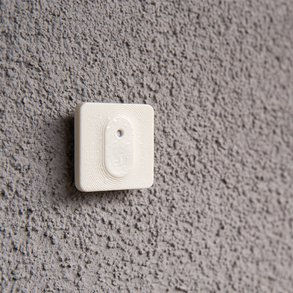
No device can guarantee savings or carbon reduction by itself. The value comes from using data and automation to make better day-to-day decisions about how rooms, equipment and heating are used.
CareFree Smart Homes supplies mainstream smart technology and provides product guidance. We do not provide care, monitoring or responder services. Installation is not included, but we may be able to refer customers to an installer on request where fitting or setup support is needed.


Comments